
Swimming Lesson Etiquette
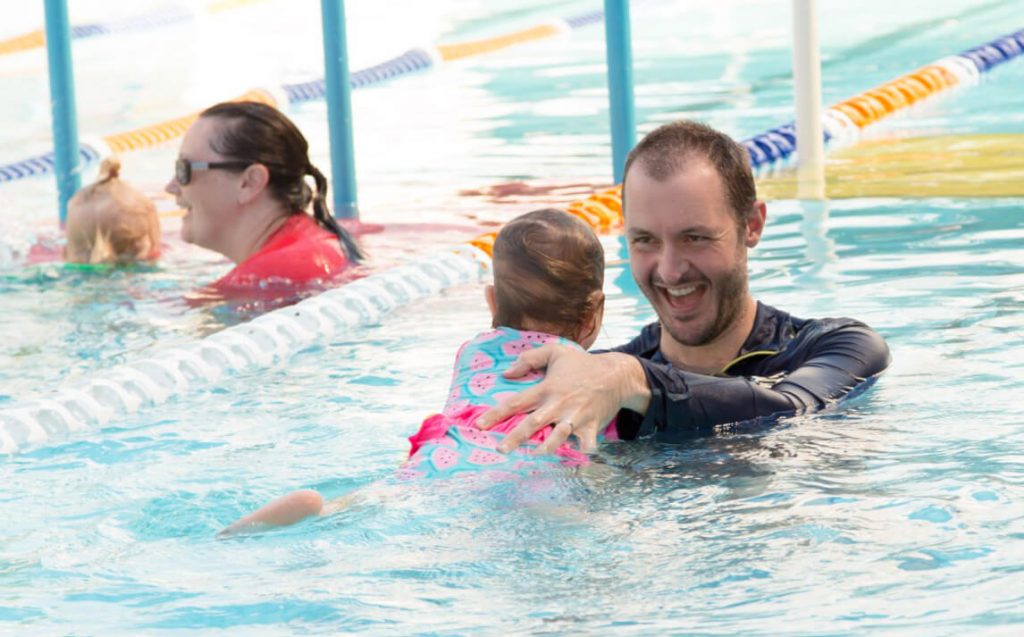
What are the Top 10 Swim Lesson Etiquette Tips for parents?
For parents attending their first swim lesson with their child, or for even those seasoned swim school parents – here are my Top 10 “Swim Lesson Etiquette Tips” that will help ensure your child’s lesson goes “swimmingly”!
1. Should you arrive early for swim lessons?
Arrive early so that both you and your child are familiar with the surroundings of the aquatic centre and relaxed prior to lesson commencement. Running late not only disrupts your own child’s learning, it also interrupts the momentum of the class already in progress.
2. What should you bring to swim lessons?
Come prepared! Swimmers/sun-shirt, towels (a spare is handy, especially in cooler months), change of clothes, swim caps (compulsory in most swim schools for both hygiene purposes and the obstruction that hair in the face can cause to learning), goggles (optional) and a snack/drink for after the lesson (swimming makes kids hungry!). If your child is not yet toilet-trained, you will need a swim nappy/pants (bring a spare too!).
3. Why is it important for your child to go to the toilet before the lesson?
Ensure your child has been to the toilet prior to the lesson. Accidents of the faecal kind can cause unwanted interruptions to class time. If the pool water is contaminated in this way, lessons may need to be cancelled and the facility closed for up to 24 hours – this makes for unhappy parents and an unhappy swim school!
4. When should you and your child enter the pool?
Parents and children in lessons are discouraged from entering the pool prior to their scheduled swim lesson. Wait until the instructor signals or calls for the next lesson, then enter the pool. A swimmer entering the water before their class is a distraction for the lesson in progress.
If the lessons are held at a public pool, let your child swim after their class, not before. Children, especially babies, tire quickly during their half an hour lesson, so swimming prior to the lesson accelerates the child’s fatigue which, in turn, interferes with their learning.
5. Can you bring a sick child to swim lessons?
Do not send your child to swimming lessons if they are sick and/or display any of the following or similar symptoms; green nasal discharge (infectious), fever, conjunctivitis, vomiting and/or diarrhea. These conditions are highly contagious. A child with a mild cold but whose energy levels and appetite remain unaffected may be brought to lessons.
6. What should you do if your child cannot attend a lesson?
If your child is unable to attend lessons due to illness or holiday, please notify the Swim School of your intended absence. The make-up policy of many swim schools requires this information to schedule an alternative make-up lesson time. Remember, consistency is one of the keys to learning.
7. Where should parents sit during the swim lesson?
As a general rule, most parents sit away from the lesson to eliminate the distraction that their close presence may cause to their own and other children in the class. If your child is upset, sit where you are in view, but keep yourself occupied during the lesson.
Grab a magazine from the Office or bring a book – seeing Mum or Dad relaxed will send a message to your child that you trust and approve of the instructor, and that it is ok for them to be in the water by themselves. Instructors are qualified to deal with upset children, regardless of whether it is caused by separation anxiety or fear of the water.
8. How should you manage siblings during swim lessons?
Keep siblings away from the edge of the pool and/or the equipment. Not only is this a requirement in terms of the distraction it causes, it is also a SAFETY issue. Ensure you bring something from home such as toys/books to entertain the younger siblings.
9. When is the best time to speak to the instructor?
Want to speak to the instructor about your child’s progress? Swim Schools schedule back-to- back lessons so once an instructor finishes one lesson they commence another almost straight away. Would you like another parent taking up part of your child’s swim lesson time?
Your best option in terms of speaking to an instructor is to contact the Swim School administration to request some feedback. They will speak to the instructor at an appropriate time, and get back to you.
10. Why is praise important after the swim lesson?
PRAISE! After the lesson, show your support for your child by telling them things like how you thought they did a great job and how you can’t believe how clever they are! You should not underestimate the value of encouragement and positive reinforcement in your child’s aquatic education.
How can these etiquette tips help your child’s swim lessons?
Keeping these 10 tips in mind will help ensure your child get the absolute most from their very important time they spend at their Swim School.
© 2010 Julia Ham/Hampton Swim School Pty Ltd