
Why Swimming Is More Than a Sport: 7 Reasons It’s a Skill for Life
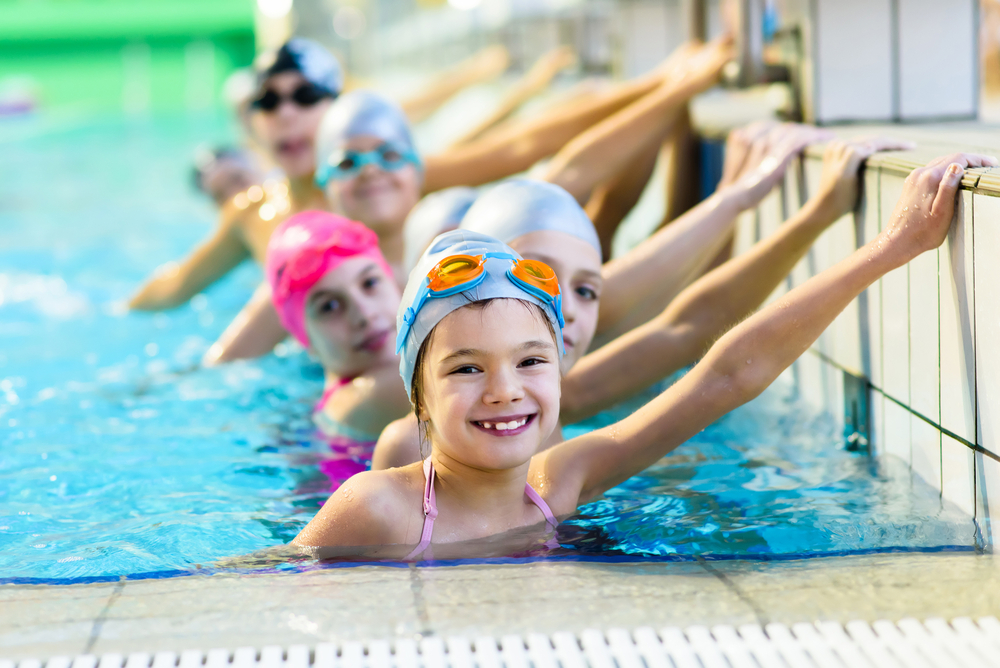
Swimming is often thought of as another activity on a child’s weekly schedule – alongside soccer, gymnastics, dance or other sports.
But swimming is a little different.
It’s a physical skill, a safety skill and a life skill all at once.
And while learning to swim is important for water safety, the benefits go well beyond being able to swim from one side of the pool to the other.
Here are seven reasons we believe swimming is one of the most valuable skills a child can learn.
1. Swimming develops essential water-safety skills
This is perhaps the most important reason for children to learn to swim.
Swimming lessons help children develop water competence, including skills such as floating, moving through the water, controlling their breathing and understanding how their bodies respond in water.
These skills can be important if a child ever finds themselves in an unexpected situation around water.
Of course, swimming ability is only one part of staying safe around water. Active adult supervision and other layers of water safety remain essential.
2. It develops coordination and body awareness
Swimming is surprisingly complex.
Children need to coordinate their arms, legs, breathing, balance and timing, often while learning a completely new way of moving their bodies.
As they progress, they develop greater body awareness, coordination and control.
3. It builds strength and fitness
Swimming is a whole-body activity.
Children use their arms, legs and core while also developing cardiovascular endurance. And because they’re supported by the water, swimming is a low-impact form of exercise that can be a great way for children to stay active.
4. It teaches children how to control their breathing
Breathing in the water is different from breathing during most other activities.
Children learn when to breathe, how to coordinate breathing with movement and how to remain comfortable in the water.
These skills can also help children become more confident when they encounter something that initially feels challenging.
5. It teaches calmness and problem-solving
Learning to swim doesn’t always feel easy.
A child might become tired, lose their balance, find themselves out of their depth or attempt a skill they haven’t mastered yet.
With the right guidance, swimming lessons give children opportunities to learn how to pause, control their breathing, think about what they need to do and try again.
They’re learning more than a swimming technique. They’re learning how to respond when something feels difficult.
6. Progress builds confidence
One of the wonderful things about swimming is that progress is easy for children to see.
They might start by learning to float independently.
Then they swim a few metres.
Then 10 metres.
Then 20.
Then they learn new strokes, improve their technique and move up to the next level.
Each milestone gives children another opportunity to think:
“I couldn’t do that before. Now I can.”
Those experiences can help build confidence, persistence and independence — both in and out of the pool.
7. It’s a skill they can keep for life
Children’s interests naturally change as they grow.
They may move on from soccer, gymnastics or dance. But swimming is a skill they can continue to use throughout their lives.
It can help them participate more confidently around pools, at the beach, on holidays and in water-based activities as they get older.
Swimming teaches more than how to swim
For us, that’s what makes swimming so special.
It’s an opportunity for children to become safer and more confident around water, while developing physical skills, resilience and independence along the way.
Swimming isn’t just another activity. It’s a skill your child can carry with them for life.
If your child hasn’t been swimming recently, it’s never too late to get back in the water.
At Hampton Swim School, we can help you find the right program and level for your child. We’d love to see your child at the pool, sign up for a FREE TRIAL today!